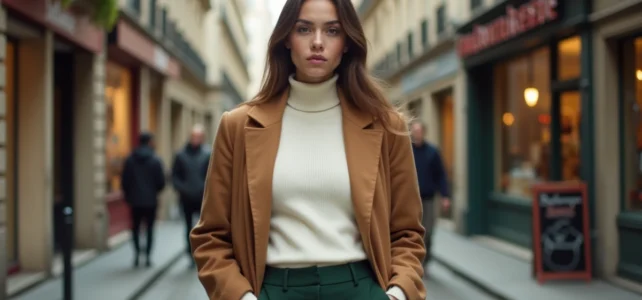
The spring-summer 2026 runway shows outline a wardrobe where fluidity meets structure, where saturated colors respond to clean cuts. Fashion this season encourages rethinking purchases: the anti-fast fashion law, adopted in France with an effective date set for September 1, 2026, introduces a penalty on non-durable clothing. Creating a unique style this season means choosing pieces that will traverse multiple seasonal wardrobes.
Sustainable fashion trends: buy less without sacrificing style
Have you ever noticed that some pieces bought on a whim end up at the back of the closet after two uses? The anti-fast fashion law will concretely penalize this type of impulsive buying. The planned penalty targets clothing produced without sustainability criteria, making disposable pieces less financially attractive.
This regulatory constraint comes at a good time: the silhouettes of the season favor timeless cuts. Poetcore, which is establishing itself as the dominant reading of the seasonal wardrobe, focuses on fluid, loose, and long pieces. This type of clothing does not go out of style in three months. A long dress made of lightweight material or wide linen pants can accompany both a summer look and a mid-season outfit.
To explore pieces that align with this approach, the fashion category on YBA gathers selections oriented towards versatile and current clothing.
The real change this season does not lie in a color or a print. It lies in a reflex: favor a piece worn thirty times rather than three pieces worn three times.
Layering and proportions: the technique that transforms a mundane outfit
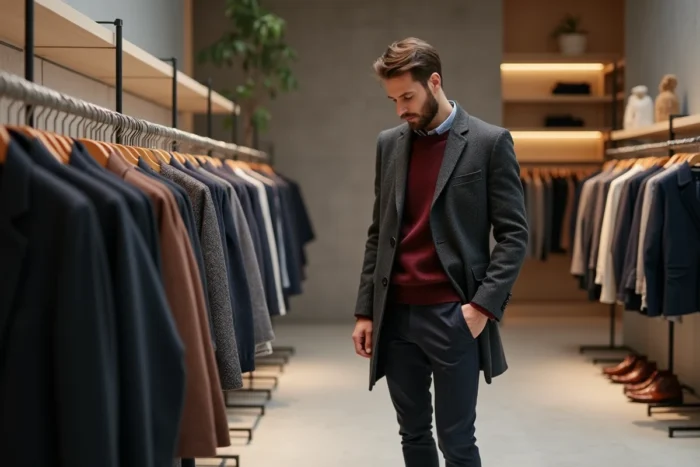
Layering is not just about piling on layers. In 2026, this technique becomes a full-fledged style discipline, with a very precise logic of proportions.
The principle: play with contrasts of length and material. A long, fluid piece over a short, fitted cut creates a visual imbalance that adds character to a simple outfit. Layering fine materials (a veil over jersey, muslin over cotton) adds depth without weighing down the silhouette.
Three layering combinations that work this season
- A long sleeveless vest over a fitted t-shirt and wide pants: the verticality of the vest elongates the silhouette, while the t-shirt structures the upper body
- A lightweight cotton open shirt worn over a mid-length fluid dress: two fine layers that move differently and catch the light
- A structured short jacket over a loose blouse tucked into high-waisted pants: the contrast between the volume of the top and the sharpness of the jacket creates a focal point at the shoulders
Successful layering rests on one principle: only one loose piece per layer. Two wide pieces layered together erase the body’s lines. A loose piece paired with a fitted piece adds relief.
Structured accessories and pumps: the details that define the 2026 style
This season’s accessories mark a shift towards architectural sobriety. Structured bags with minimalist designs are gaining ground over the soft models that dominated in recent years. Straight lines, sharp angles, minimal hardware: a structured bag anchors a fluid outfit in something more assertive.
On the footwear side, the return of pumps deserves attention. After several seasons dominated by sneakers and flat sandals, pumps are making a comeback in pointed-toe, mid-heel versions and saturated colors. A red or cobalt blue pump transforms beige pants and a white shirt into a complete outfit.
Choosing accessories that last beyond a season
Are you torn between a trendy, statement bag and a more understated model? The question to ask: will this piece still work with my wardrobe in a year? A structured accessory in a neutral color goes with almost everything. A model that is very identifiable to a specific collection risks looking dated quickly.
The same logic applies to pumps. A mid-heel (neither too flat nor too high) and a classic pointed toe transcend seasons. A saturated color remains wearable if it belongs to a palette you already wear.
Fluid colors and materials: building a coherent seasonal wardrobe
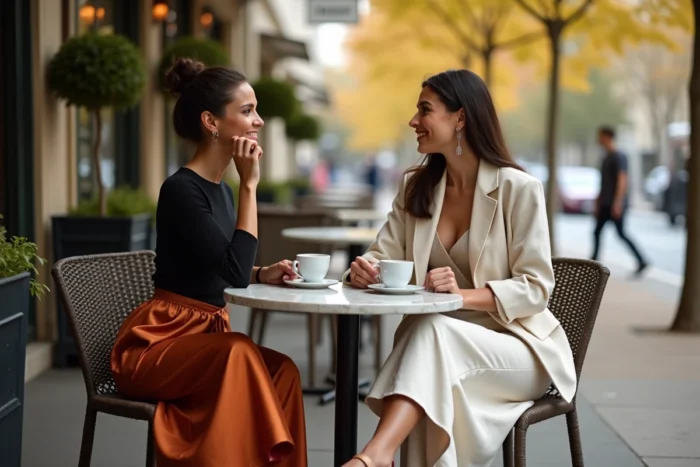
The spring-summer 2026 collections focus on pop colors paired with lightweight and fluid materials. Floral prints remain present, but it is mainly the way they are worn that evolves: as a strong single piece rather than a total look.
Three versatile pieces are enough to refresh a seasonal wardrobe without falling into overconsumption:
- A long dress in fluid material, wearable alone in summer or with a mid-season jacket, in a color that matches your existing basics
- Wide pants in lightweight fabric (linen, airy cotton) in a neutral tone or a color you already wear, replacing jeans when temperatures rise
- A fine layering piece (sheer shirt, sleeveless vest, open blouse) that changes the look of each outfit without cluttering the suitcase
The common thread of this season lies in one word: coherence. Rather than chasing every micro-trend, building a wardrobe around pieces that combine with each other gives a more readable and personal style.
With the introduction of the penalty on non-durable clothing in September 2026, this selection reflex will become a concrete advantage, including financially. Durable and versatile pieces do not necessarily cost more to purchase, but they cost significantly less to wear.