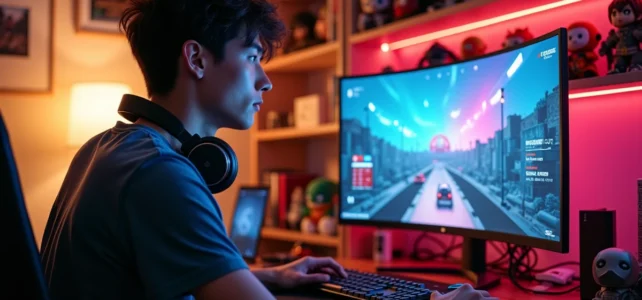
The geek culture encompasses a set of practices related to video games, comics, manga, science fiction series, and technological objects. In 2026, three underlying movements reshape this landscape: a return to physical and analog media, the rise of experimental games treated as works of art, and a European legal framework that modifies the rules for content creators.
Each of these axes marks a break from the purely digital trends that dominated previous years.
Board Games and Physical Editions: The Return of Analog in Geek Culture
According to Etsy’s Spring-Summer 2026 trends report, part of Generation Z is deliberately turning away from screens and standardized consumption to return to handmade and tangible objects. This movement is directly reflected in the geek universe.
The demand for collector’s physical editions of video games is increasing, even as digital distribution remains predominant. Printed fanzines, handmade dice, stitched game mats, and custom figurines are finding a growing audience on peer-to-peer sales platforms and at conventions.
Tabletop RPGs and so-called “low-tech” board games are benefiting from this shift. The phenomenon goes beyond mere nostalgic purchasing: it is an active rejection of digital uniformity, where owning a unique, handmade object becomes an identity marker. News and reviews surrounding these analog formats are closely followed in specialized media, and regular monitoring of bordel-de-nerd.net allows for spotting releases and creators who contribute to this scene.
- Fanzines and independent magazines printed in small runs, often funded by crowdfunding campaigns
- Handmade role-playing game accessories (resin dice, custom game master screens, bound notebooks)
- Physical editions of video games with booklets, fabric maps, or soundtracks on vinyl, aimed at collectors
Art-Games and Experimental Games: When Video Games Become Art
The term art-game refers to a video game whose primary purpose is artistic expression, beyond entertainment or performance. These productions prioritize visual storytelling, sound design, or poetic interaction with the player.
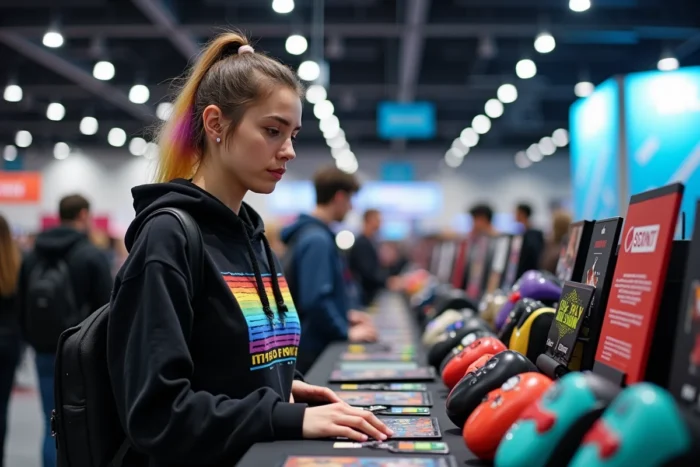
In 2026, this category is emerging from confidential circles. Festivals like Gamescom are now programming dedicated sections for these works. Museums are incorporating art-games into their temporary exhibitions, and Discord communities of independent developers are treating these creations with the same seriousness as a contemporary installation.
Why Art-Games Change the Perception of Gaming
Most online content remains focused on AAA blockbusters or Nintendo Switch and PlayStation releases. Art-games occupy a blind spot: few reviews, little coverage from major gaming media. Their institutional recognition (museum programming, artistic residencies for game designers) repositions video games as a complete creative medium, on par with auteur cinema or experimental comics.
For players, this opens a catalog of short titles, often developed by a small studio, that offer radically different experiences from the classic model. The absence of an economic model based on microtransactions or games-as-a-service distinguishes these productions from the rest of the market.
European Regulation and Its Impact on Geek Content Creation
The Digital Services Act (DSA) is fully applicable in the European Union. This regulation imposes transparency obligations on algorithms and content moderation for large platforms. For geek content creators (streamers, gaming video creators, podcasters), the consequences are tangible.
Recommendations for videos and streams on platforms must now meet explainable criteria. A streamer broadcasting content on Xbox Series or a highly anticipated remake sees the visibility of their posts depend on stricter rules. The issue of copyright in the face of generative AI adds a layer of complexity: the use of AI-generated assets in a video game raises unresolved legal questions at the European level.
Copyright and Generative AI in Video Games
The European AI Act regulates high-risk artificial intelligence systems. On the creation side, the debate centers on the legitimacy of training generative models on protected works (concept art, game music, textures). Several professional discussions and legislative initiatives in France anticipate a tightening of the rules.
For an independent studio developing a flag or an action-adventure title, using an AI tool to generate visual assets requires verifying the rights chain in advance. The current ambiguity is pushing some creators to revert to entirely manual production pipelines, aligning with the analog trend described above.
Video Game Release Calendar and Pop Culture Events to Watch
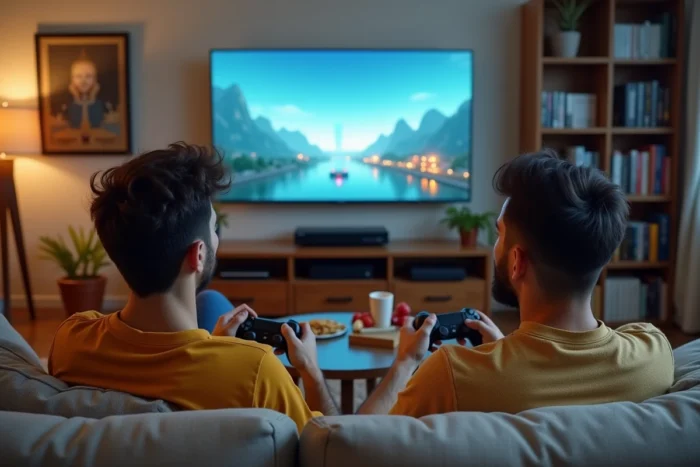
The year 2026 is described by several specialized media as a period of exceptional density in terms of releases. The delays accumulated in previous years concentrate many titles over a few months.
- Several highly anticipated remakes and remasters on PlayStation, Xbox Series, and Nintendo Switch fill the second half of the calendar
- Physical conventions (Japan Expo, Paris Games Week, Comic Con) are seeing increased attendance, driven by a renewed interest in direct contact between fans and creators
- Series adapted from video game licenses continue to fuel pop culture on streaming platforms, with productions linked to franchises like Assassin’s Creed
The density of the 2026 calendar requires making choices rather than trying to follow everything. Prioritizing a few releases based on one’s platforms (Switch, PlayStation, Xbox) and keeping an eye on nearby physical events remains the most realistic strategy to not miss out without becoming overwhelmed.
The common thread of this year can be summed up in one word: tangibility. Whether it’s a handmade resin die, an art-game exhibited in a museum, or a European regulation that enforces algorithm transparency, the geek culture of 2026 is refocusing on what can be touched, seen, and verified.